Design and inscription
Read the issuing country or authority, denomination, currency, inscriptions, printer imprint and design details. Compare the arrangement of lettering, frame lines and portrait or subject details with a reliable reference.
A stamp can be studied as a designed object, a printed artefact, a postal record and a fragment of social history.
Definitive issues document the everyday needs of postal services, often remaining in circulation for extended periods. Commemorative stamps mark people, events, institutions, anniversaries and cultural themes. Comparing design, denomination, format and issue date helps place each stamp within its historical setting.
Collectors may organise material by country, reign, subject, designer, series or printing process. A clear collecting plan makes a collection easier to research and maintain.
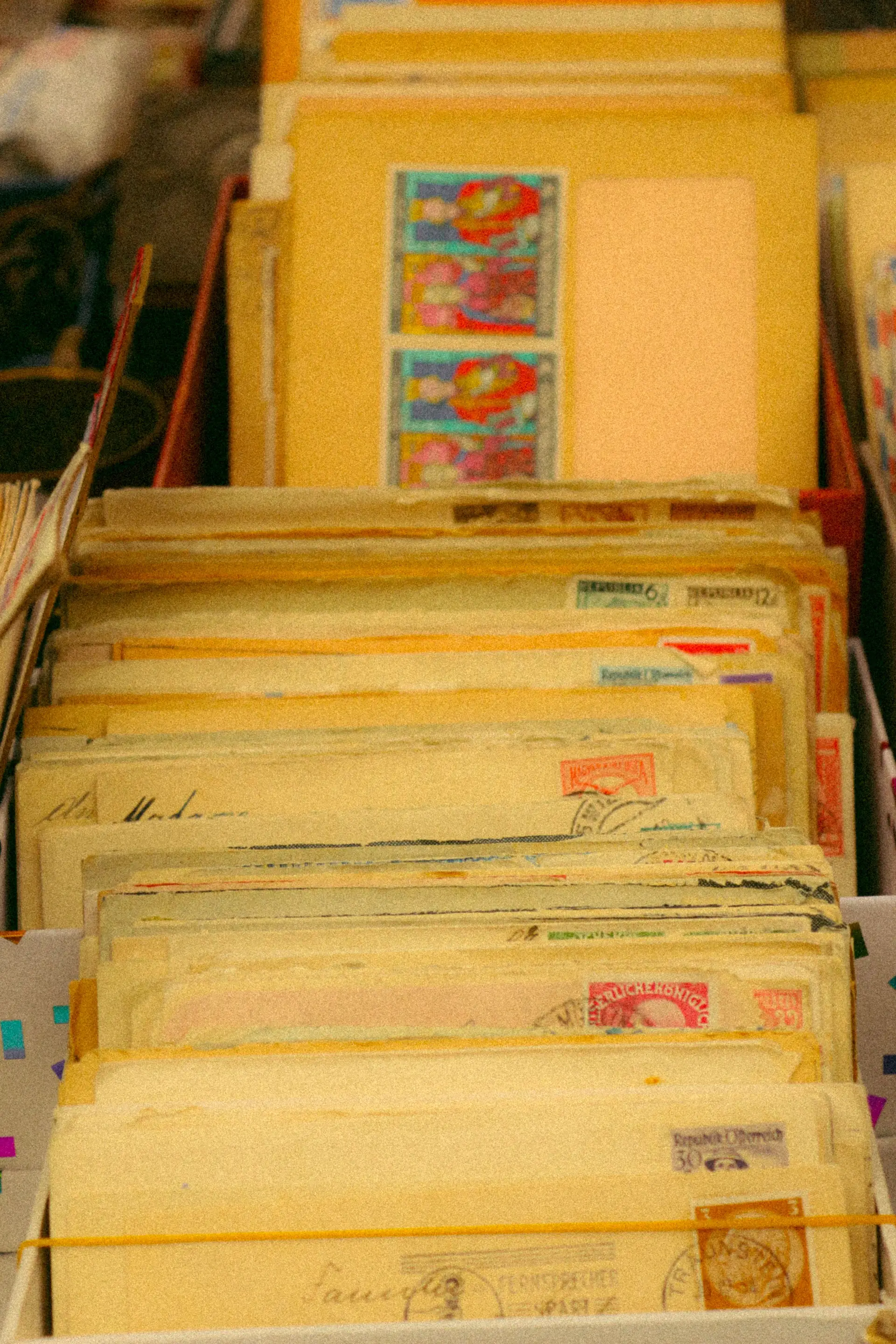
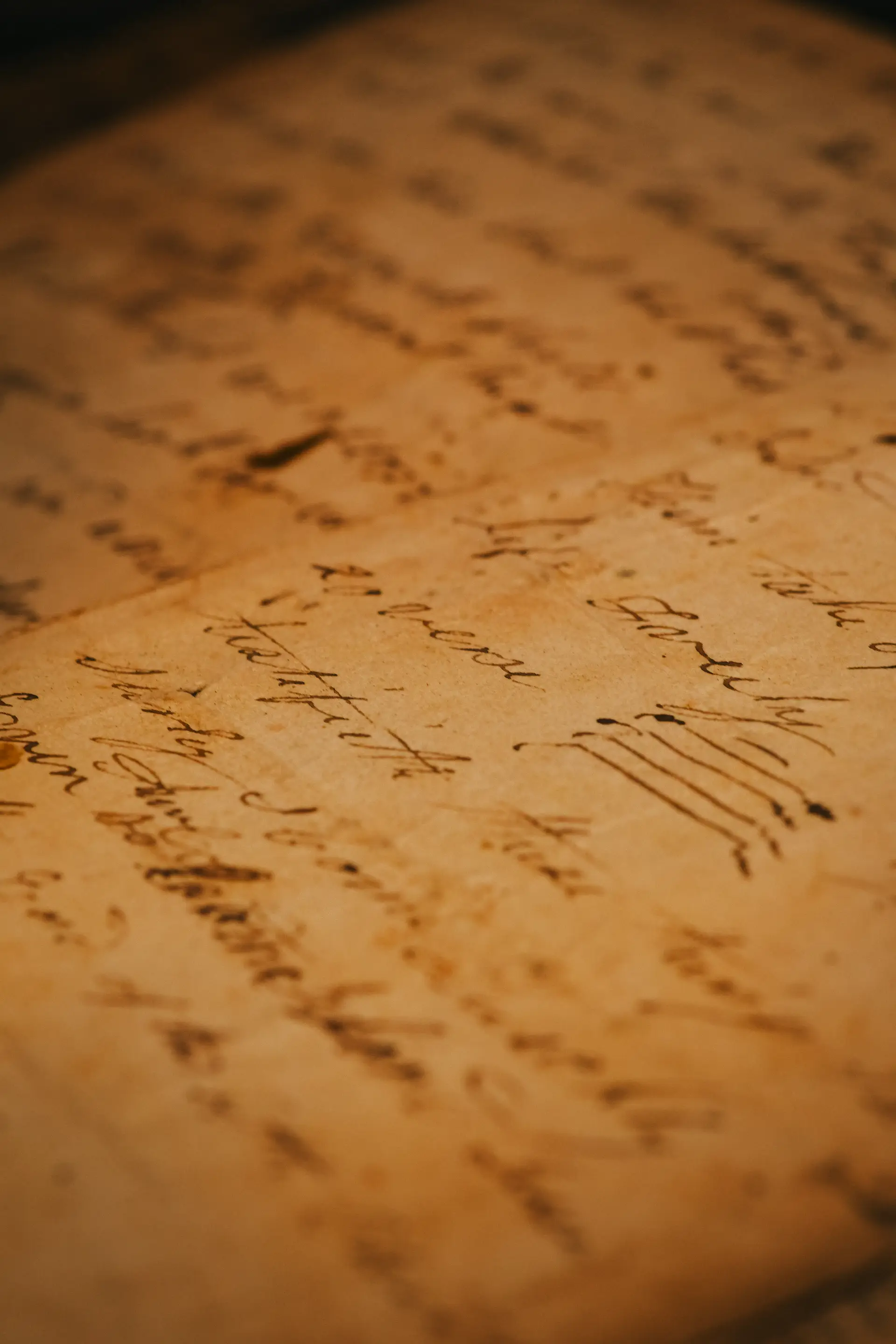
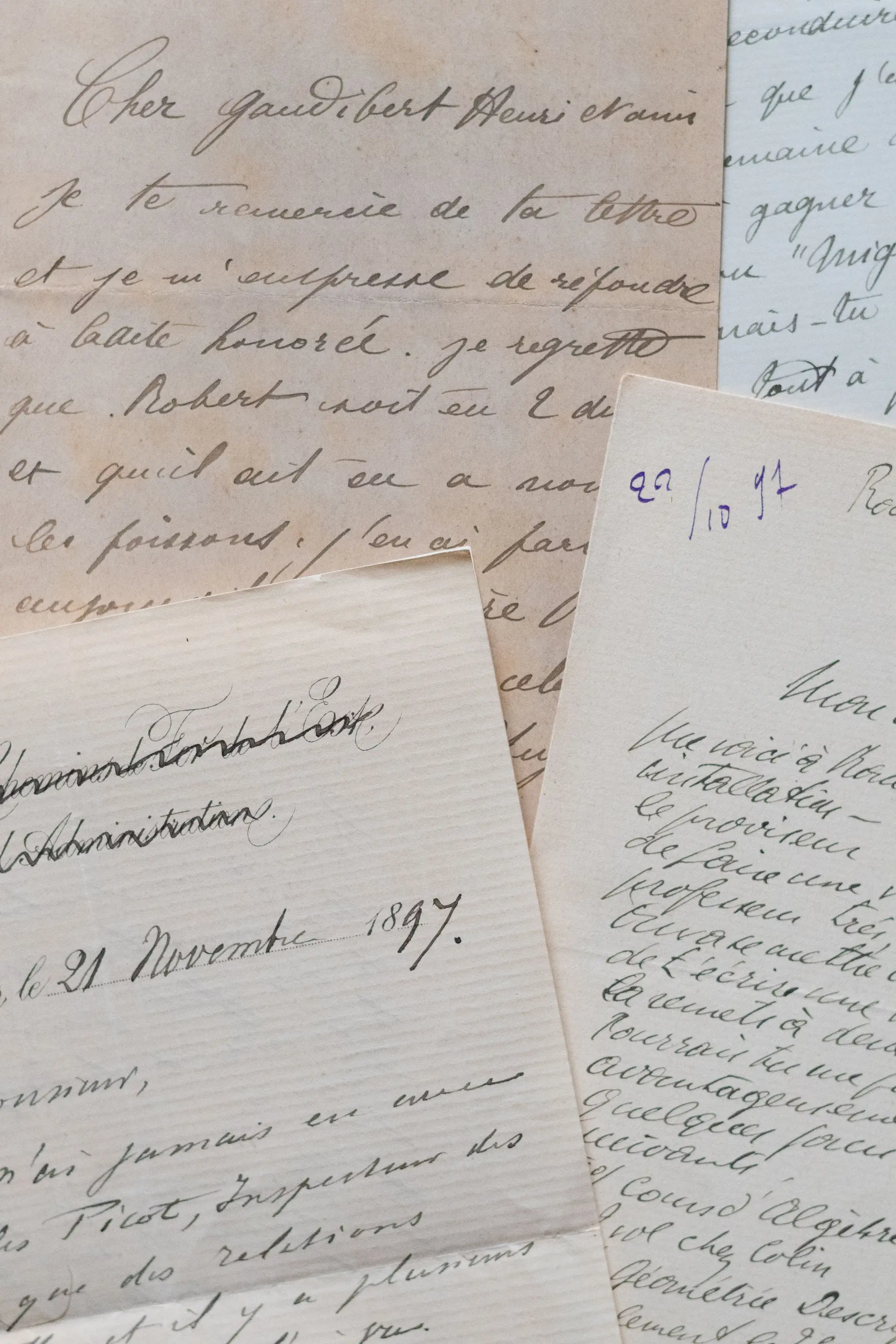
Envelopes and postcards preserve evidence of postal movement. Postmarks, transit marks, arrival dates, routing instructions and postage rates can help reconstruct how an item travelled. The same stamp can tell a different story when studied on cover rather than in isolation.
Useful records include the origin and destination, dispatch date, service used, rate paid and any unusual handling marks. These details turn an attractive cover into a documented historical object.
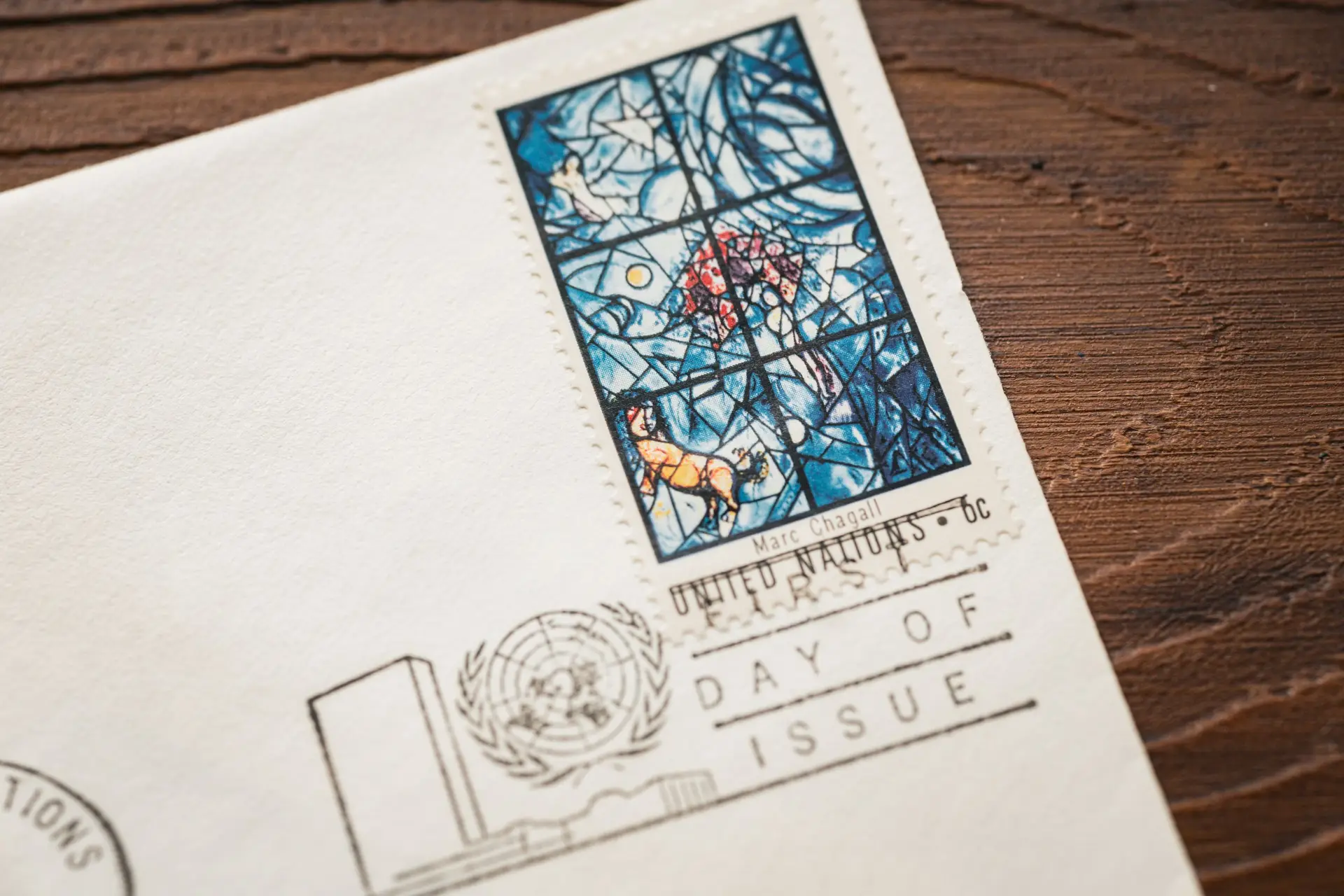
Postal stationery includes envelopes, postcards, letter cards and other items with an imprinted indication of postage. Its design and format reflect changing postal requirements, printing practices and patterns of communication.
Condition, indicia, cancellations, dimensions and usage are all relevant when comparing examples. Used stationery can provide especially useful evidence of rates and routes.
Small production differences can be significant. Collectors study watermark orientation, perforation gauge, paper type, shade, plate marks, overprints and printing errors. Accurate identification depends on comparison with reliable references and careful examination under suitable light and magnification.
Not every visual difference is a variety. Handling, ageing, fading and damage can alter appearance, so conclusions should be supported by more than colour alone.
Thematic philately follows a subject across countries and periods. Architecture, natural history, transport, literature, exploration, science and design are common starting points. A strong thematic collection connects each item to a coherent narrative and uses accurate captions to explain its relevance.
Members can share ideas for organising material, selecting representative examples and documenting the story behind each group.
Send the club a short description of your collecting interest.
Identification should proceed from broad characteristics to details that distinguish one issue or variety from another.
Read the issuing country or authority, denomination, currency, inscriptions, printer imprint and design details. Compare the arrangement of lettering, frame lines and portrait or subject details with a reliable reference.
Paper thickness, texture, fluorescence and watermark position can help distinguish printings. Use suitable transmitted light and avoid wetting or pressing an item to reveal a feature.
Measure perforation gauge consistently and note whether the edges are perforated, rouletted or imperforate. Damaged or trimmed edges can make a measurement unreliable.
Compare line engraving, recess printing, typography, lithography and other processes where known. Colour assessment should account for paper, storage, lighting and ageing.
Study the shape, wording, date and position of a cancellation. On cover, check whether the marking ties the stamp to the envelope and whether the rate and route are plausible for the date.
Record faults, repairs, gum condition, folds, toning and any certificates or previous descriptions. Provenance supports research but does not replace examination of the item itself.
Consistent terminology makes cataloguing clearer and helps distinguish similar-looking material.
A proof impression taken from a design die during preparation or evaluation. It may show a stage of design development and is distinct from an issued stamp.
A repeatable feature associated with a particular position or state of a printing plate. A suspected variety should be compared with documented examples before it is catalogued as such.
An envelope or other postal item bearing an issue on or around its first day of validity, usually with a cancellation associated with that date. The cachet and postal use should be described separately.
A postal marking applied at an intermediate office or exchange point. It can help trace the route and timing of a letter between dispatch and arrival.
Text, numerals or a design printed over an existing stamp, often to change denomination, currency, issuing authority or postal validity. Genuine and forged overprints can be difficult to distinguish.
A postal form with an imprinted indication of postage, such as a postal card, envelope or letter sheet. The imprinted indicium is part of the stationery rather than an adhesive stamp.
A collection should remain accessible for study while being protected from avoidable deterioration.
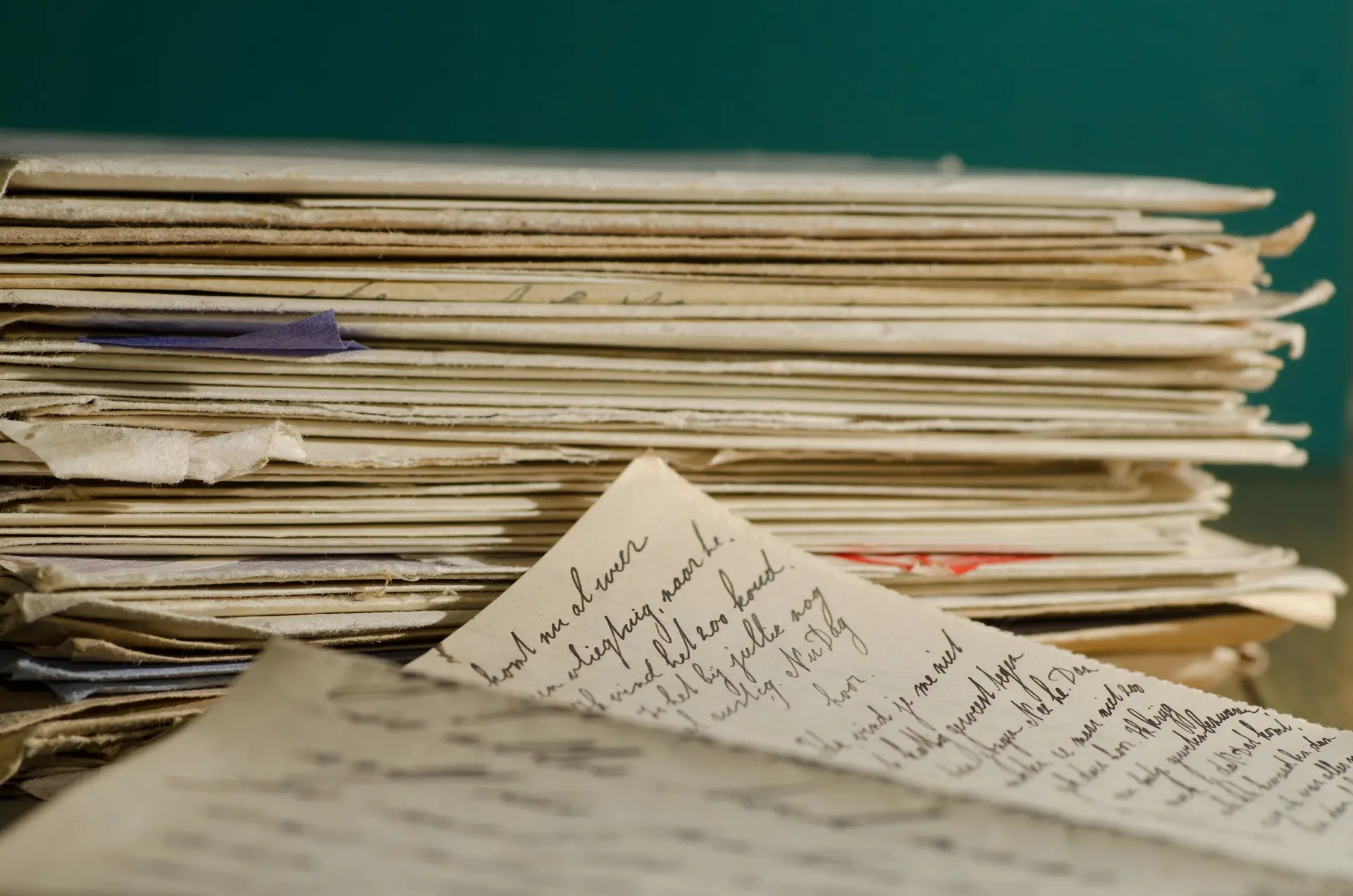
Use mounts and album pages made for philatelic material, with a suitable fit that does not compress perforations or edges. Keep albums upright when designed for upright storage and avoid overfilling boxes. Store material in a stable indoor environment, away from direct sunlight, damp and heat sources.
Assign a consistent reference to each item or group. Record the date of acquisition, source, description, condition, catalogue references and any research questions. For covers, record the full address or route only where it is legible and relevant; preserve original markings rather than attempting to improve them.
Photograph or scan both sides of an item where appropriate, including margins and relevant markings. Use even lighting, neutral colour balance and enough resolution to show fine detail. Digital images are useful research records, but they do not replace physical examination when texture, watermark, gum or paper characteristics matter.