01Study
Stamp identification workshop
A practical session on reading inscriptions, comparing perforations, recognising watermarks and recording distinguishing features. Bring a small selection of items in protective mounts.
Orelqavianessia activities are designed to help collectors develop practical skills, exchange research and see philatelic material from new perspectives.
Meeting formats can include informal show-and-tell, focused study topics, collection clinics and visits to public exhibitions. Contact the club for current dates and arrangements.
A practical session on reading inscriptions, comparing perforations, recognising watermarks and recording distinguishing features. Bring a small selection of items in protective mounts.
Explore how cancellations, transit marks, arrival marks and postal rates help reconstruct the journey of a letter. Members are invited to share a cover with an interesting route.
Discuss story structure, item selection, mounting, captions and source notes. The session focuses on making specialist knowledge accessible to viewers.
An informal opportunity to present a recent acquisition, ask a research question or compare examples from a particular country, issue or collecting theme.
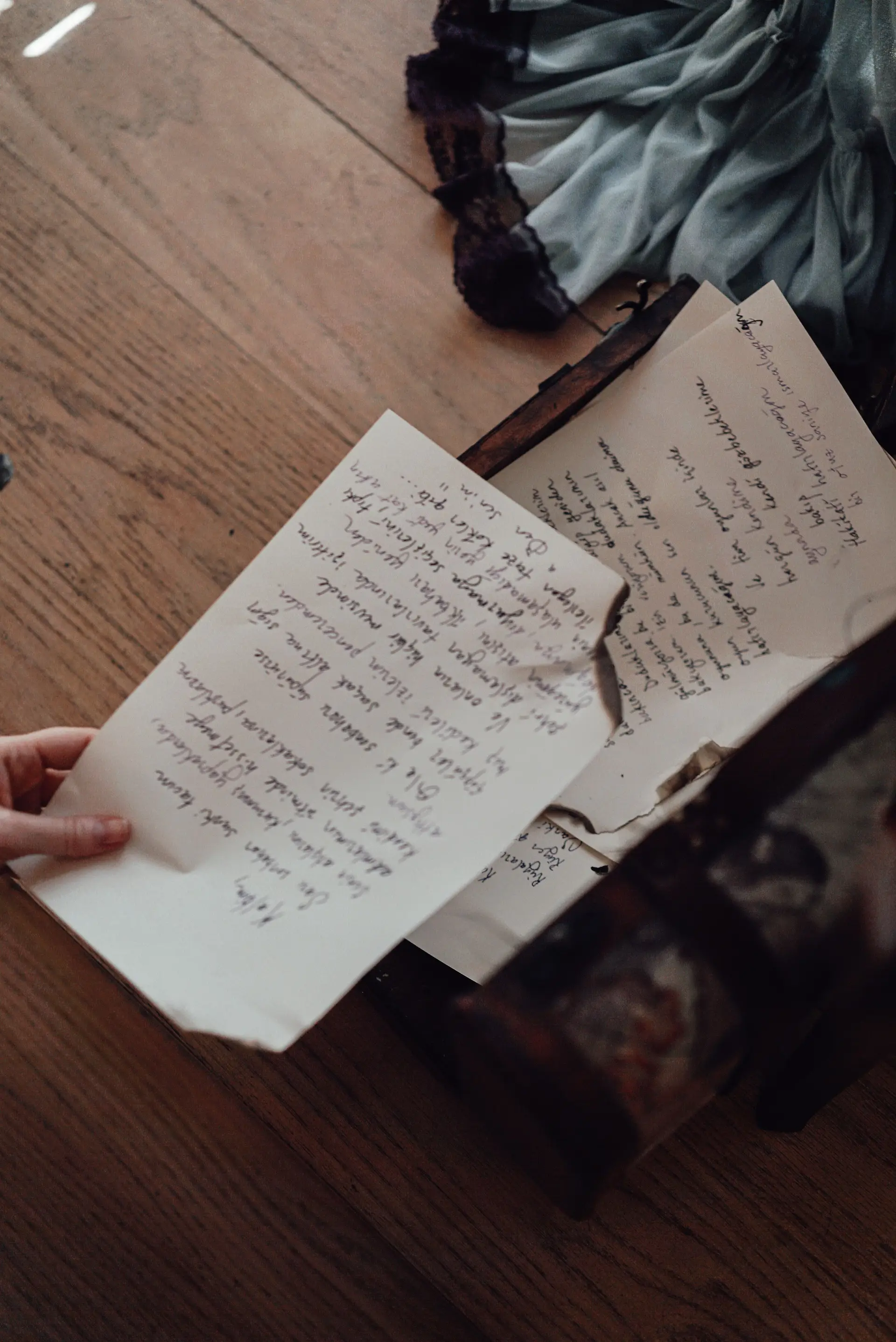
Use a protective mount or sleeve where possible. Note any information already known about an item, including its source and previous ownership if available. Avoid removing stamps from covers or separating documents before the group has considered their condition and significance.
If you are bringing a larger collection, select a small group of representative pieces. A focused question often leads to a more useful discussion than presenting an entire album at once.
Ask about the next meetingClub sessions can follow a single issue over several meetings or compare material across regions and periods.
Study early adhesive postage, die and plate differences, lettering, margins, cancellations and the development of postal rates. Comparative sheets help distinguish normal variation from a repeatable plate feature.
Examine stamps, overprints, watermarks and postal stationery from territories with changing administrative and postal arrangements. Context is essential when interpreting provisional issues and local usage.
Explore first-flight covers, route markings, special cachets, interrupted services and the relationship between aviation history and postal carriage. Dates and route evidence should be checked against contemporary records.
A display works best when each page has a clear question and a logical sequence. Select items that advance the subject, leave enough space for the viewer to examine them and write captions that explain why each piece matters. Avoid filling every available space with text or decorative elements.
Captions should identify the item, date or period, relevant postal or production features and the source of any specialist claim. If a detail remains uncertain, say so. A transparent qualification is more useful than a confident but unsupported attribution.
For fragile material, use mounts that support the item without covering important markings. Keep the display away from direct sunlight and follow venue guidance for security and handling.
Specific arrangements are confirmed when a meeting or exhibition date is announced.
Contact the Club to confirm the date, venue, access arrangements and whether registration is required. If you plan to bring material, describe its size and subject so that suitable handling arrangements can be considered.
Follow instructions for handling displayed material. Ask before photographing another member’s collection and do not remove an item from its mount or protective sleeve without the owner’s permission.
Members may bring catalogue references, scans of historical documents or a short written question. Please distinguish original sources from later commentary and include publication details where possible.
If you have an access requirement or need information in a particular format, mention it when making an enquiry. The Club will confirm what arrangements can be made for the specific venue.
Short exercises help turn general interest into repeatable observation and useful catalogue records.
Select two examples believed to belong to different printings. Record the paper, impression, shade and any measurable differences. Check whether the distinction is recognised in specialist literature before assigning a variety.
Choose a dated cover with at least one transit or arrival marking. Arrange the markings chronologically, identify the offices where possible and compare the route with postal services available at the time.
Develop a single question and select a small group of items that answer it. Write concise captions, cite the references used and make clear which details are certain and which remain tentative.
Record the source and known history of inherited material before rearranging it. Photograph original album pages and envelopes, preserve handwritten notes and avoid separating items whose relationship may be significant.