Object study
Examine paper, perforations, watermarks, colour, gum, printing characteristics and postmarks. Record observations before reaching conclusions.
We bring together people who value the material history of postage: its design, production, routes, markings and personal stories.
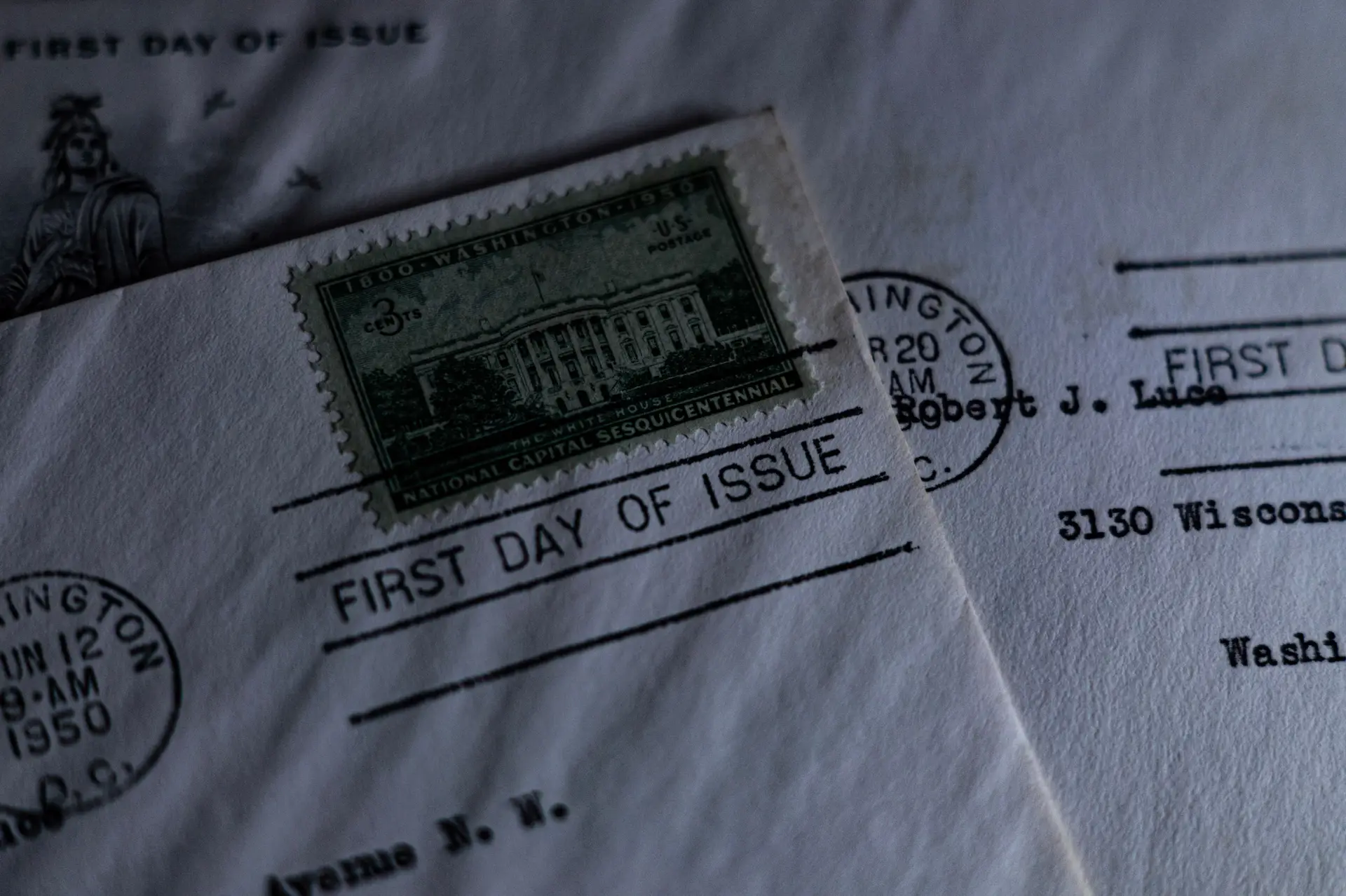
Orelqavianessia is a UK-based collecting community focused on the study and preservation of postage stamps and related postal material. We encourage members to approach every item with curiosity, sound documentation and respect for its condition.
Our interests range from traditional stamp collecting to postal stationery, covers, cancellations, commemorative issues, printing varieties and the development of postal services. Members may specialise deeply or keep broad collections that follow a personal theme.
We aim to make meetings welcoming to different levels of experience while maintaining a serious approach to identification, cataloguing and research.
Club activity is organised around discussion and learning. Members can contribute at the level that suits their interests and experience.
Examine paper, perforations, watermarks, colour, gum, printing characteristics and postmarks. Record observations before reaching conclusions.
Compare catalogue references, specialist literature, archive notes and documented examples. Explain the evidence behind an identification.
Discuss storage materials, mounting methods, humidity awareness and safe handling practices that help preserve collections over time.
New collectors often begin with a country, a theme or a small group of inherited stamps. Experienced philatelists may focus on a single issue, postal rate, printing variety or historical period. Both perspectives contribute to club discussions.
You do not need an extensive collection to take part. A question, a reference book or an interest in the history behind a postmark is a useful starting point.
Ask about membership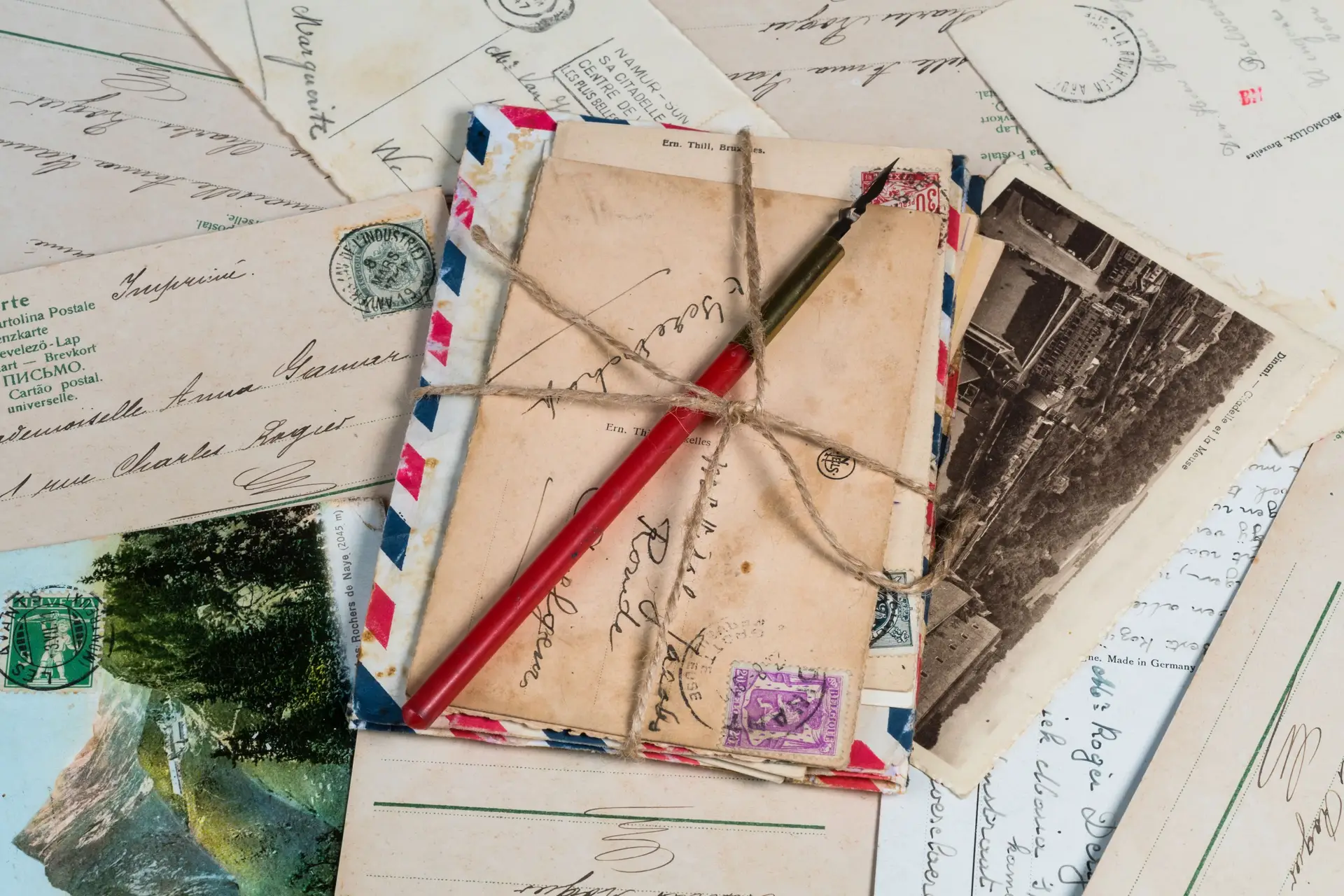
Philatelic descriptions become useful when another collector can understand the evidence and repeat the examination.
Members are encouraged to distinguish what can be observed directly from what is inferred. A visible watermark, measured perforation or dated postmark is an observation. A plate attribution or route reconstruction may require comparison with reference works and other known examples.
Where known, acquisition history and previous ownership should be recorded. Descriptions should identify gaps in provenance rather than imply a continuous chain of ownership that cannot be supported.
Condition notes should be specific. Tears, thinning, creases, toning, fading, disturbed gum, repairs and missing perforations should be recorded without exaggeration or concealment.
Different interpretations are part of specialist study. Members should explain the basis of a conclusion, welcome comparison and revise an attribution when stronger evidence becomes available.
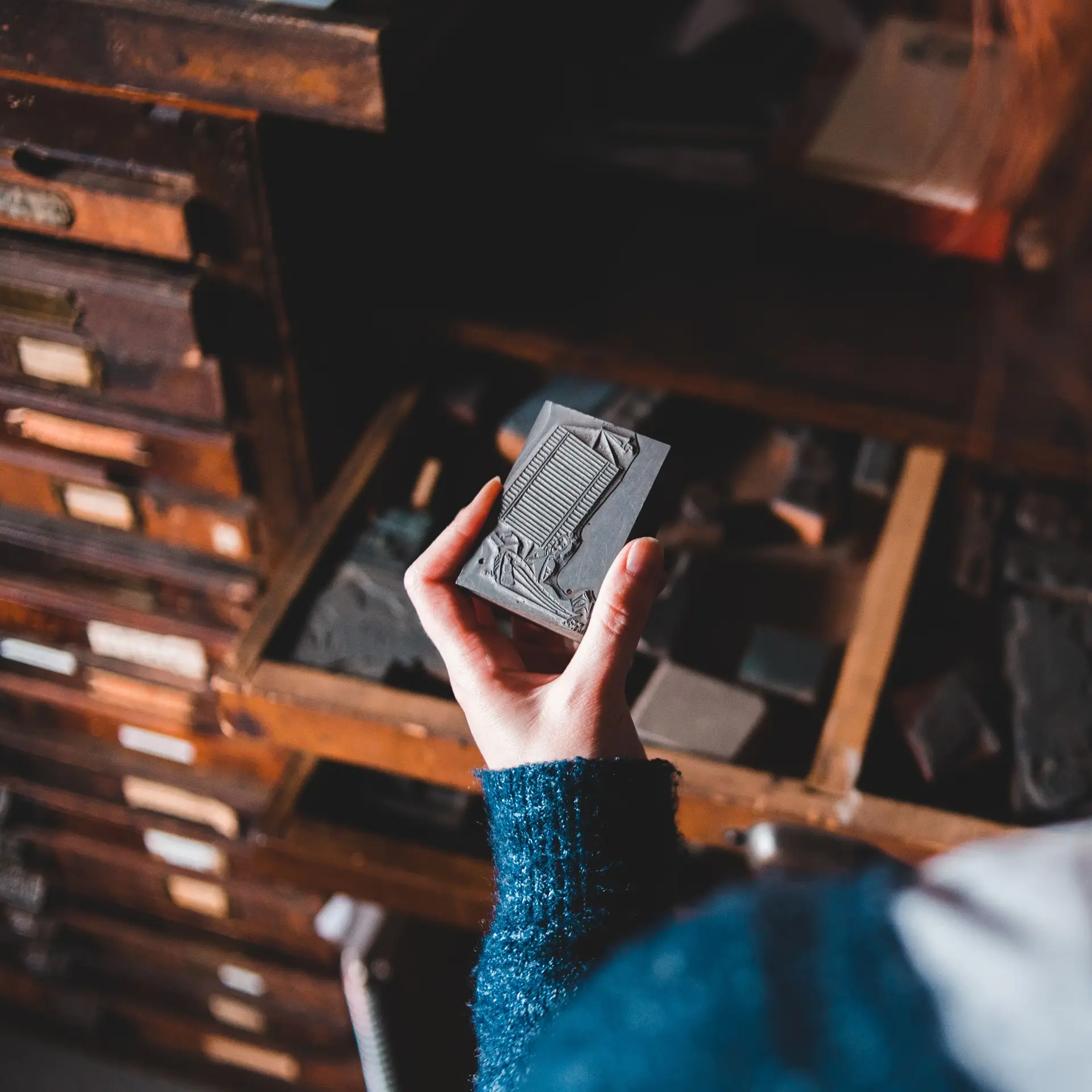
Research may draw on general and specialist stamp catalogues, postal rate tables, contemporary postal guides, archive catalogues, official notices, printer records, exhibition literature and carefully documented collections. No single catalogue answers every question, particularly when a study concerns a cover, a local marking or a printing variety.
Members are encouraged to record the edition and page of a reference, the date an online catalogue was consulted where relevant, and the exact wording of any historical source. This makes a note more useful when the source is updated or another researcher wants to check the claim.
Meetings can be adapted to the topic, but usually combine a short introduction, close examination and time for questions.
For membership enquiries, tell us whether you are interested in British stamps, Commonwealth issues, postal history, aerophilately, thematic collecting or a different field. This helps the Club direct your question to the most relevant discussion.
Specialist study often depends on comparing several kinds of evidence rather than relying on a single catalogue entry.
General catalogues help establish issue dates, denominations and basic varieties. Specialist handbooks, postal history studies and exhibition publications can add detail about plate positions, postal rates, routes and known examples. Record the title, edition and page used in any research note.
Contemporary postal notices, rate tables, dated correspondence, official circulars and archive records can provide context that later summaries omit. When a source is difficult to interpret, preserve the original wording and explain the uncertainty.
Side-by-side examples can reveal differences in lettering, impression, paper, watermark or cancellation. Comparisons are strongest when the items are photographed or described under similar conditions and the limitations are recorded.
A useful note records the question, material examined, references consulted, observations, conclusion and points still unresolved. This structure helps another member review the reasoning and continue the work later.