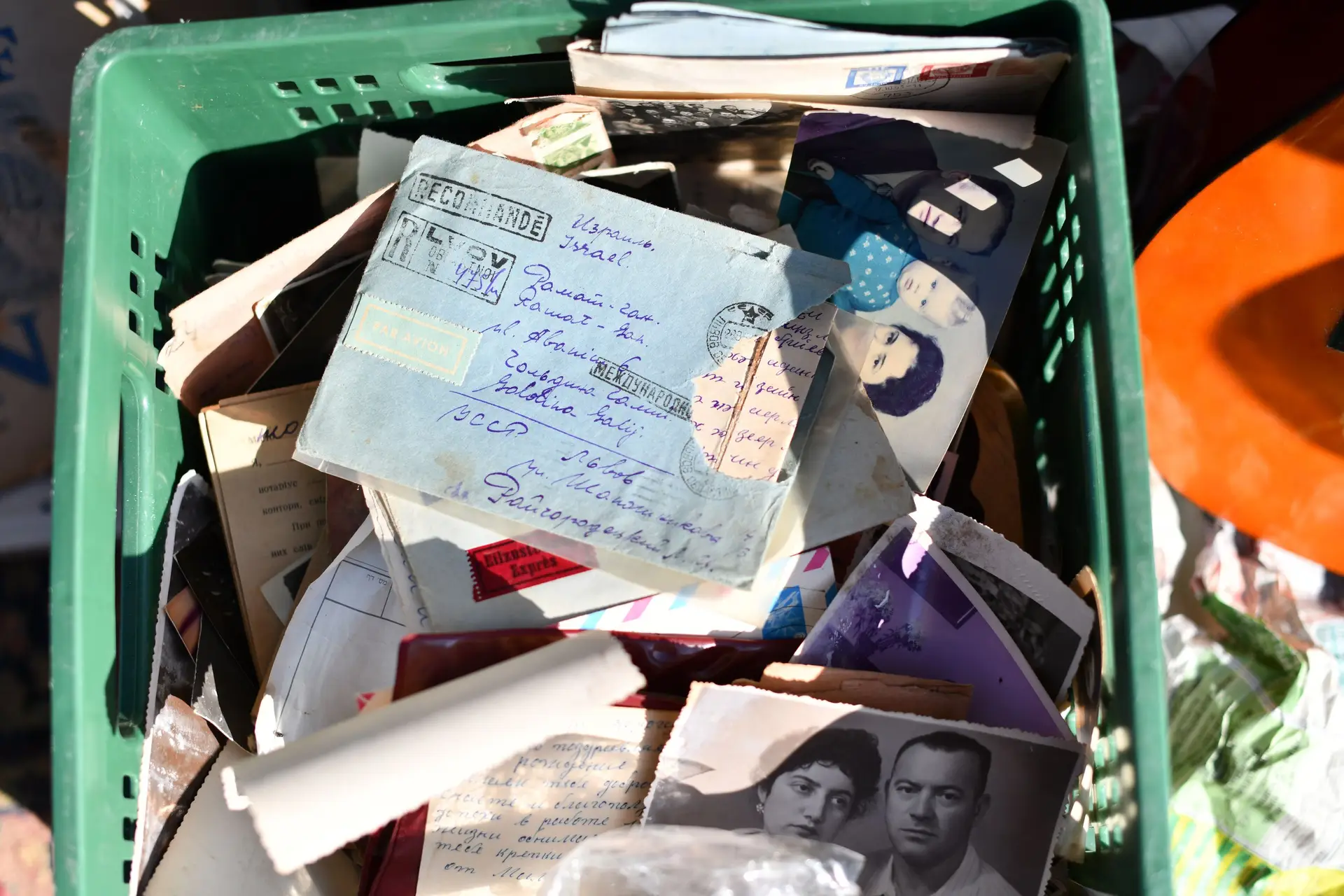
Study
Read the details
Explore denomination, perforation, watermark, paper, printing method and cancellation. Each feature can help establish where an item belongs in a collection.
Explore collecting areasOrelqavianessia brings together people who study postage stamps, postal history and the small printed details that connect places, generations and ideas.
Discover the clubIndependent collecting · Shared knowledge · Careful preservation
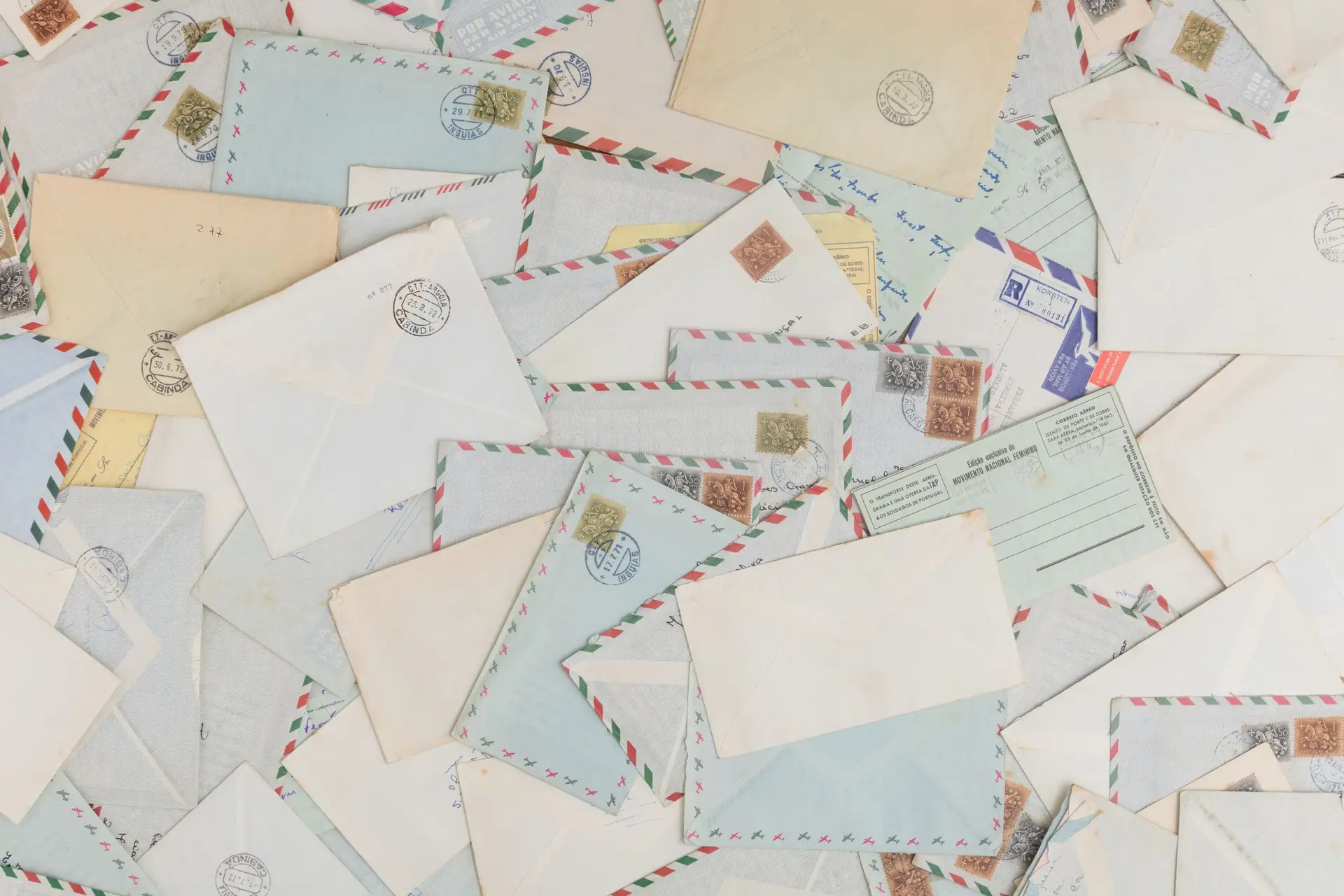
From engraved classics and commemorative issues to postal markings and unusual routes, philately rewards careful observation and informed research.
Explore denomination, perforation, watermark, paper, printing method and cancellation. Each feature can help establish where an item belongs in a collection.
Explore collecting areas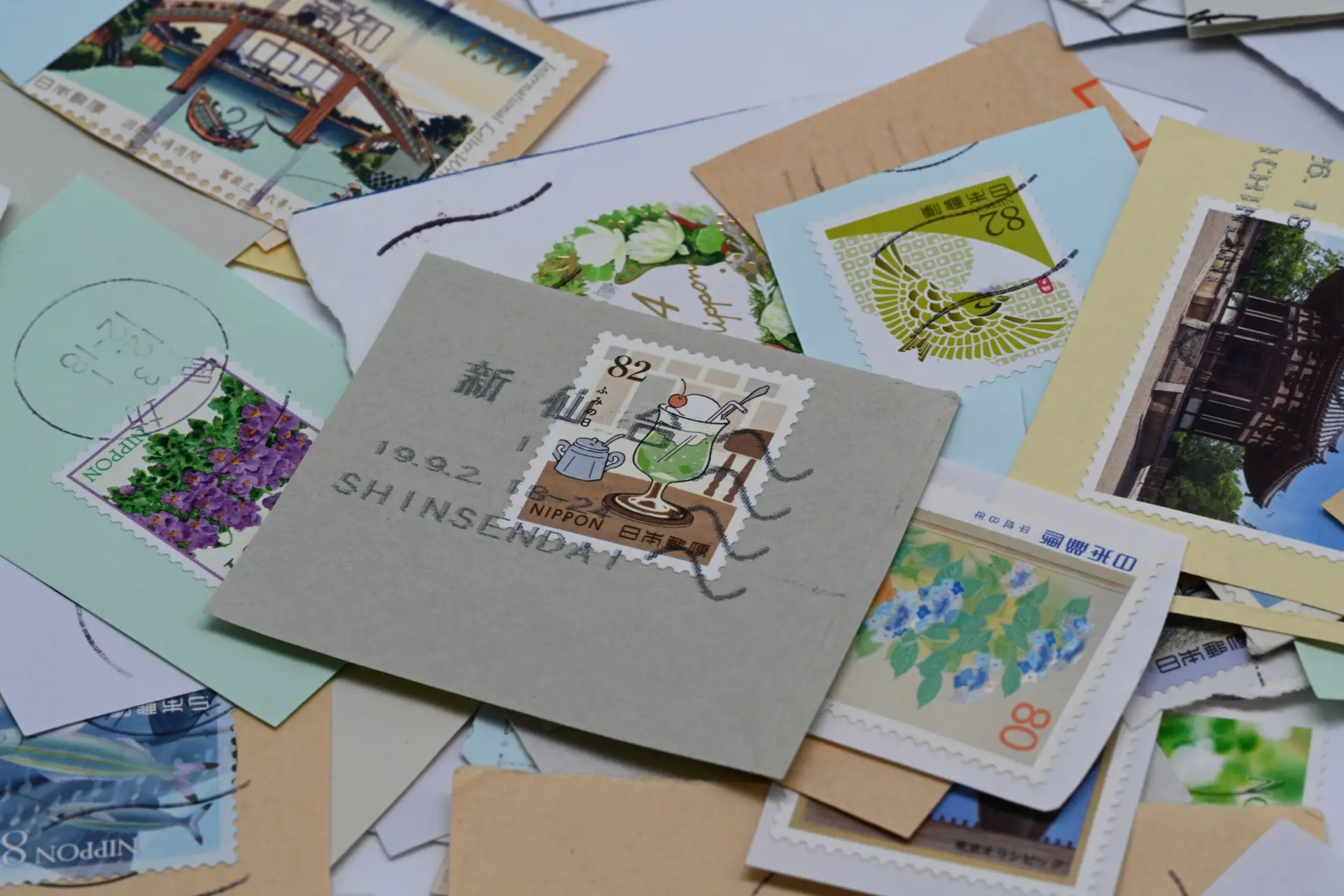
Postal history places stamps within real journeys. Routes, dates, rates and markings reveal how correspondence moved through changing networks.
Learn about postal history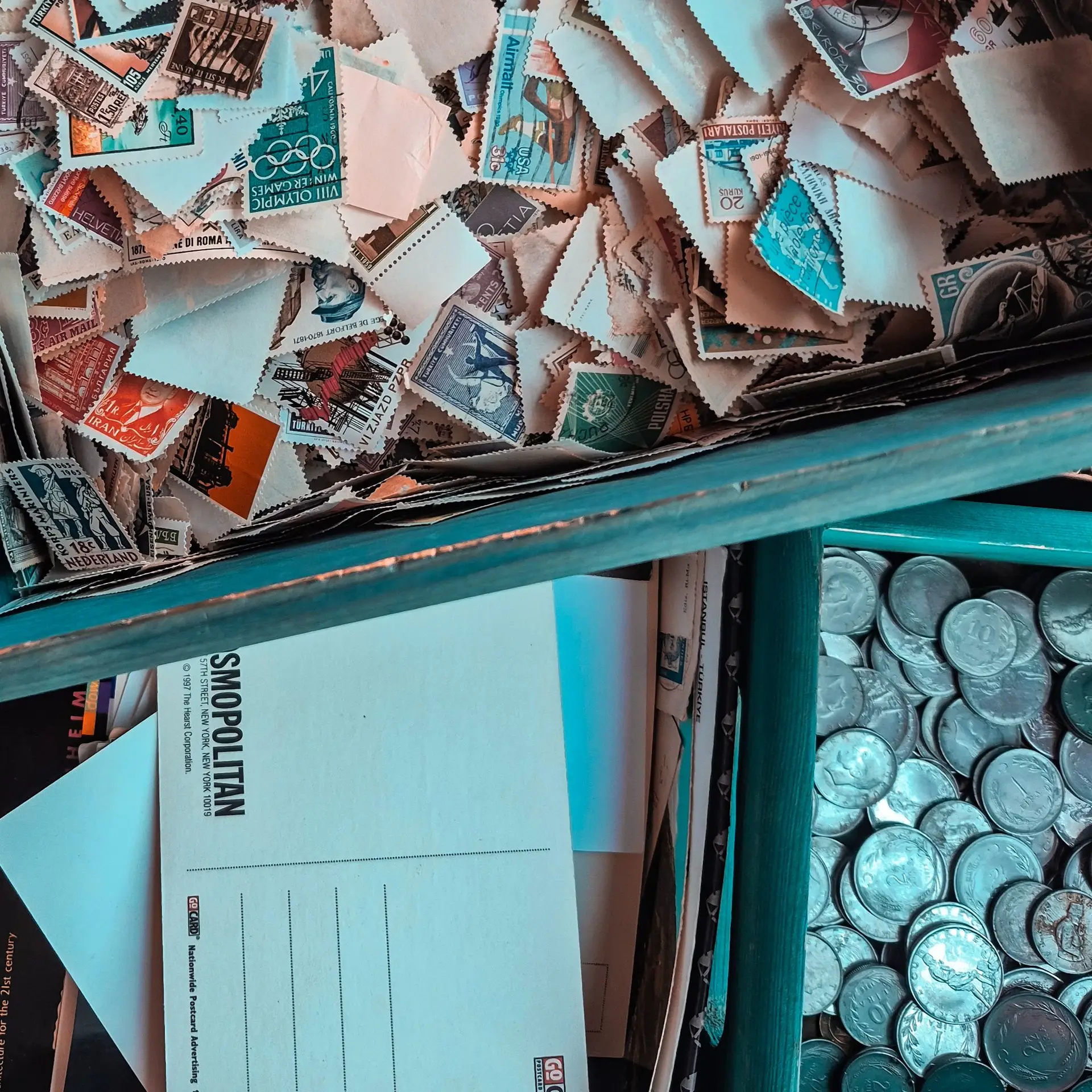
Members compare notes, ask informed questions and develop research through friendly discussion and regular club gatherings.
See club activities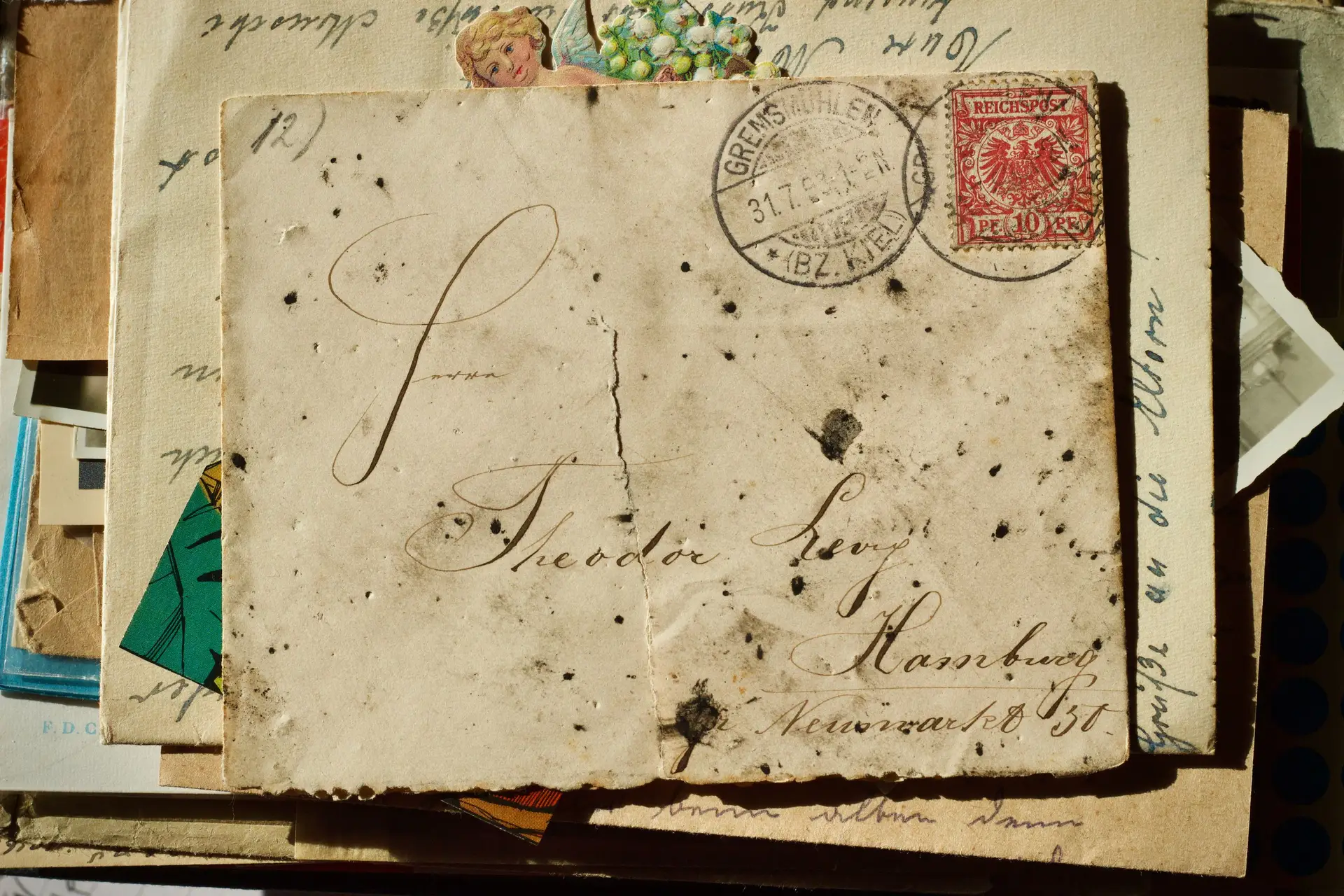
Our club welcomes established philatelists, new collectors and anyone drawn to the history of communication. Sessions make room for practical identification, collection organisation, display techniques and discussion of material from different periods.
Members are encouraged to document provenance, handle fragile items carefully and distinguish verified information from collecting folklore.
How the club worksClub gatherings and exhibitions provide opportunities to see material at close range and learn how other collectors approach their subjects.
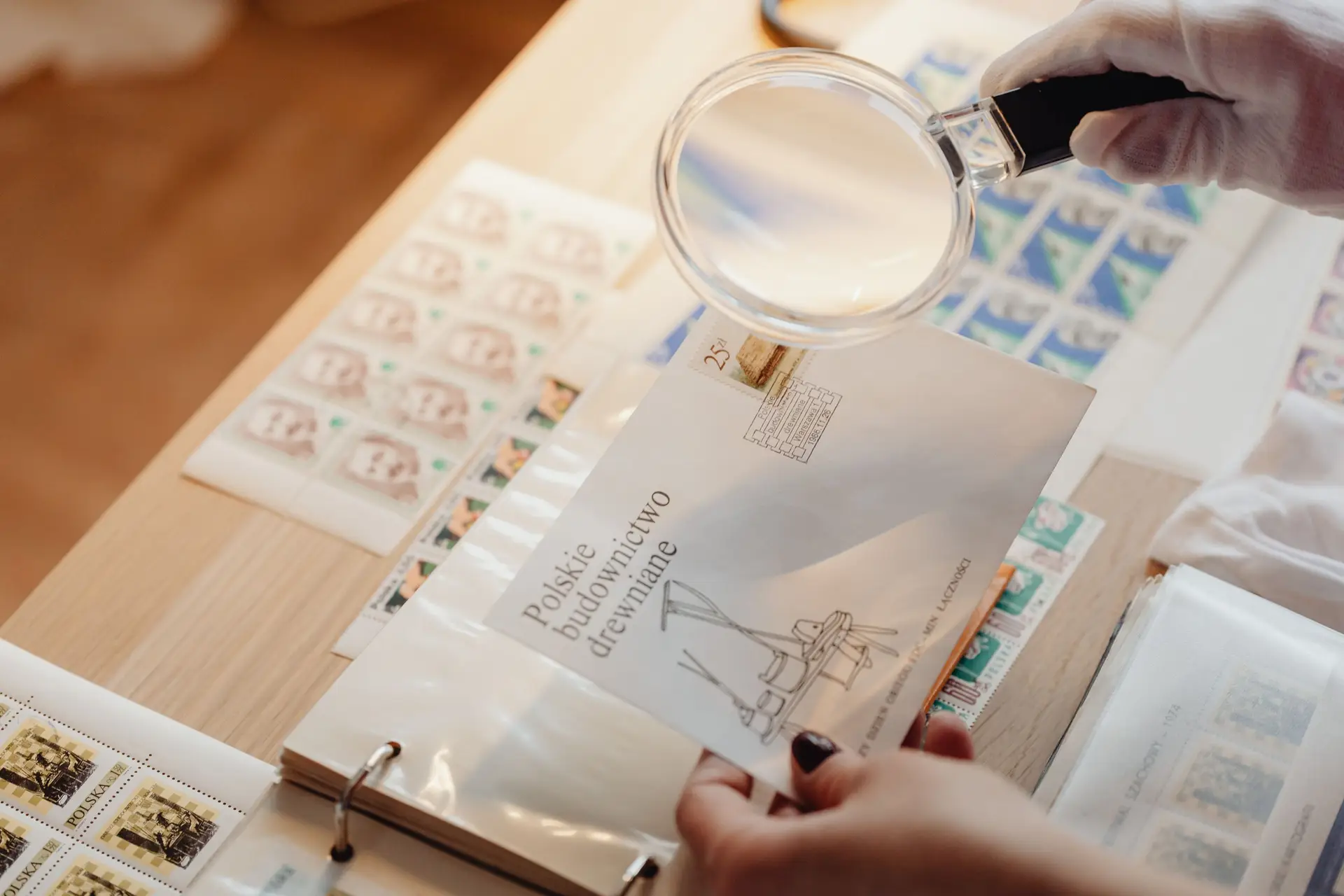
Explore a focused topic, bring an item for discussion or learn a practical method for documenting and displaying your collection.
View events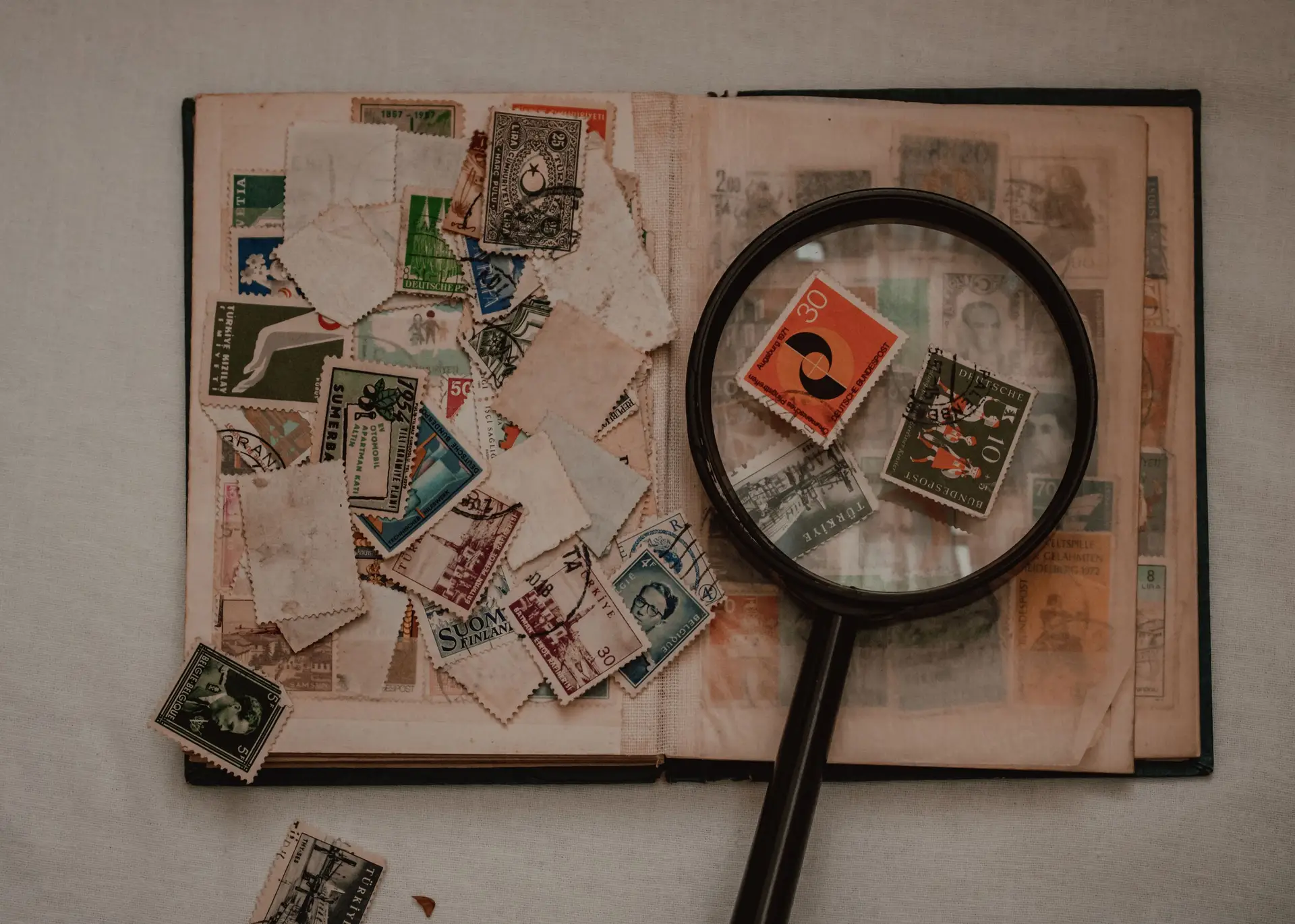
Tell us what interests you, whether that is a particular country, historical period, stamp issue, postal route or collecting technique.
Contact the clubContact Orelqavianessia to enquire about membership and upcoming meetings.
Good collecting combines curiosity with a repeatable method. A simple record of what an item is, where it came from and why it matters makes future research more reliable.
Choose a manageable subject: a country and period, a stamp issue, a postal route, a printing method or a theme. A defined scope helps you decide what belongs in the collection and what evidence you still need.
Record the issuing authority, date, denomination, design, format, condition and any visible postal markings. For covers, include origin, destination, dates and known rate information.
Retain catalogue references, auction descriptions, certificates, previous collection notes and correspondence where relevant. Separate a documented fact from an attribution that still needs confirmation.
Paper, gum, inks and adhesives react to light, moisture, temperature changes and unsuitable storage materials. Handle stamps by their edges with clean hands or suitable stamp tongs, and avoid pressure on perforations and corners. Covers and folded letters should be supported so that old creases are not forced flat.
Use stable, archival-quality mounts and albums designed for philatelic material. Avoid self-adhesive tapes, ordinary office plastic sleeves and direct contact with materials that may transfer acids or plasticisers. Store collections away from direct sunlight, radiators, damp walls and rapid temperature changes.
When an item appears fragile, mould-affected, stuck to another surface or unusually valuable, seek specialist conservation advice before attempting treatment.
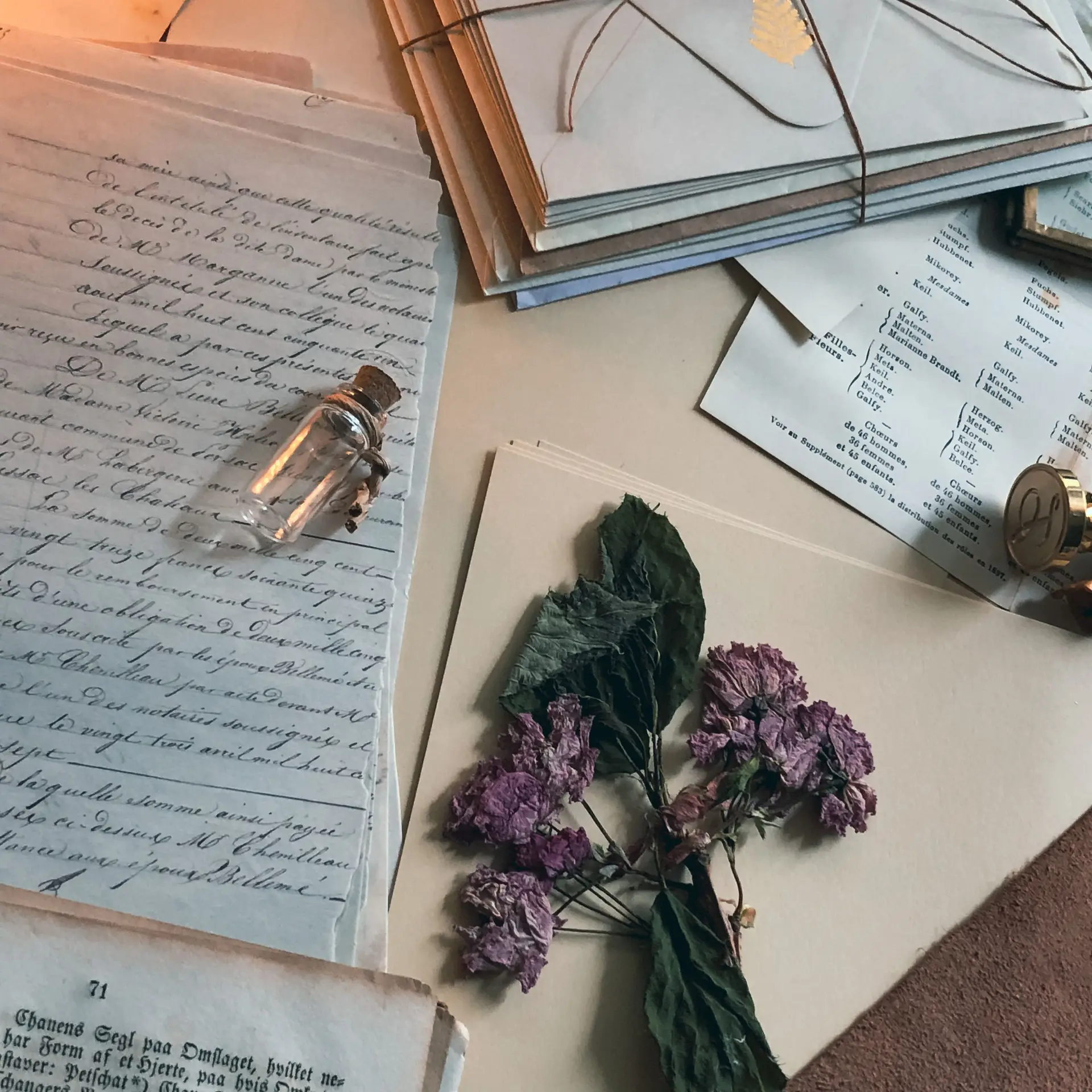
These principles help make collecting more consistent and make discussions easier to follow.
No. A small group of stamps, an inherited album or an interest in postal history is enough to begin. A narrow research question can be more useful than a large collection without a clear record.
Start with the country or issuing authority, denomination, inscription and basic design. Then compare the item with a recognised catalogue and examine paper, watermark and perforation where relevant. Do not rely on colour alone.
Yes. A cancellation can establish a date or place of use, while transit and arrival marks may help reconstruct a route. On cover, the relationship between stamp, cancellation and postal markings is often essential.
Bring a few representative items in protective sleeves and one or two questions. Notes about provenance, previous descriptions or catalogue references are useful, but uncertainty is acceptable and should be stated clearly.